
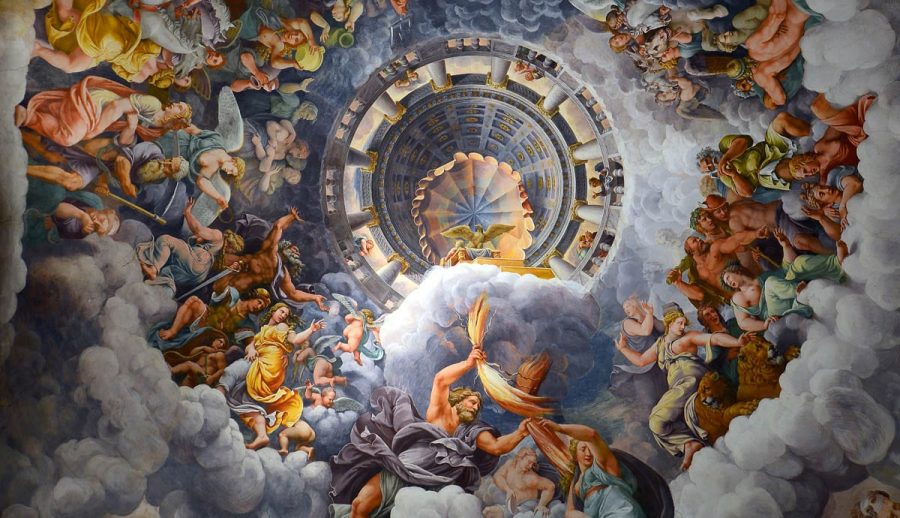
The rise of AI art took off in 2022 with tools like Midjourney, DALL-E, and Stable Diffusion, changing how we make visuals by turning words into pictures instantly. Generative AI is both a creative game-changer and a copycat risk, sparking fierce debate as it blurs the lines between inspiration and infringement. AI boosts productivity and sparks creativity, yet its reliance on pre-existing human work ignites ethical debates about copyright and true artistry.
Can AI Really “Create” Art?
AI acts as a powerful catalyst for productivity in creative processes, enabling creators to generate higher-quality work in less time, often doubling productivity within months of adoption. This sparks awesome teamwork in making new stuff. It mixes different vibes and topics, like dreamy art with factory tech. It’s a combo that goes way beyond what people can normally do alone. However, art’s personal nature means feelings and views are key; how it’s made matters less than the result. A visual artist, Craig Boehman, sees AI like photography’s arrival–a valid option that boosts creativity, and doesn’t bury classic art forms. Like him, numerous artists contend that art’s worth resides less in its creation process and more in its ultimate impact and emotional effect. The human prompter injects the “soul” into AI art by shaping, tweaking, and perfecting the outcome, thereby functioning as an art director.
Is AI “Stealing” Art?
A key legal battle revolves around AI models learning from copyrighted stuff without permission. Creators cry foul, pointing to stolen content, while AI companies claim they’re just doing “fair use”. The idea that AI just copies instead of creating is a hot debate in AI ethics and thought. In the AI art discussion, the question is whether it misses a “human spark”. Without purpose, awareness, or real-life background, AI art is seen as fundamentally different from what humans create. AI has the ability to replicate a creator’s unique artistic flair, characters, or overall “style”–things tough to copyright, yet built over years. For instance, the Studio Ghibli situation showed how AI can create sellable stuff that copies a distinct, safeguarded brand, all without asking. The situation of AI mimicking Ghibli’s art style peaked in March 2025 when OpenAI dropped the upgraded GPT-4o, an image-making whiz that effortlessly channeled artistic vibes, nailing everything from doodles to that warm, fuzzy Studio Ghibli look.
The Future of Art in AI World
Art’s destiny? Not AI taking over, but humans and tech teaming up. While we steer the creative ship, AI lends its brainpower. Generative AI’s arrival is reshaping art’s core, turning creation from handcrafting to a blend of guiding AI and selecting its output, thus reimagining what art truly means. While AI won’t boot human artists out completely, it’s shaking up how we see art, demanding fresh rules and ethical guidelines. In an AI-driven future, championing “intent” and “ethics” is key. We need rules against AI swiping data and to credit artists when AI learns from their creations. Establishing a fair space that safeguards human rights and unique ideas.