
















































































What is Cannibalism?
Cannibalism is the act of a living being eating a member of the same species. While this happens often in nature, it is seen as very taboo in Human societies. To fully understand why cannibalism makes most humans feel queasy, we must understand what the word ‘taboo’ means.
Taboo
Taboo is a word to describe an action or an idea that is forbidden in society. This could be widespread ideas, like incest, cannibalism, or bestiality. These are all widely considered taboo and are illegal in most modern societies. But it could also be religiously taboo, such as eating pork in the Islamic religion. These taboo subjects may become “taboo” because they represent forbidden desire or simply because they cause much more harm than good. But other taboo subjects are much like common superstitions, maybe there is no real good reason for them to be taboo, they just are.
Reasons For Cannibalism
There are many reasons why someone would eat another human, but all are illegal in modern 1st world countries. Interestingly enough, some of these types of cannibalism are still practiced throughout our modern world.
Ritualistic – This is cannibalism for a specific reason, usually to transfer the dead’s energy or power to the living.
Medicinal – This is cannibalism that was thought to heal the living. The most widely known countries to use this as a way of medical care were in Europe and China. Specific parts of the body would cure correlating parts of the living body, in most cases, anything from headaches to nervous system disorders.
Necessity – Cannibalism that occurs out of necessity happens only in dire circumstances. It’s most common in cases where a group of humans is all stuck together in nature with no other options. Many times, the cannibals are resistant but are trapped with no other option but death. In many recorded cases, the cannibal(s) were driven mad with hunger rather than driven mad with what they had done.
Anger – Sometimes, people are so angry that murder will not satisfy their wrath. Cannibalizing someone could be seen as the greatest form of disrespect or assertion of dominance.
Funerary – Funerary cannibalism is also known as Endocannibalism, which is the practice of consuming your loved ones after they have died. This is sometimes seen as a way to incorporate the dead’s spirit. This was the highest form of honor in several extinct cultures.
Well-Known Cannibalistic Cultures
The Fore Tribe – These tribes reside in Papau New Guinea, still active to this day. This tribe and their funerary practices were thrust into the spotlight in the 1950’s, when many of their tribe members began dying of mysterious illness, which began with simple symptoms, limb pain and spasms, then would transform into difficulty walking and uncontrollable laughter. This illness was named Kuru by the members, who were terrified of dying of this “curse,” which is what they had assumed. After yet another death, the family of the newly deceased broke tradition and sent their son’s dead body to scientists to study how this disease formed and killed. In 1957, the root cause of these deaths was discovered. The Fore Tribe practiced Endocannibalism, a ritualistic form of cannibalism where the women in the tribes would eat the brains of their newly deceased family members. Kuru was caused by certain infectious materials in the human brain.
The Aztecs – While the Aztecs are more well known for their sacrificial practices, they are also known for practicing cannibalism. The reason that the Aztecs would sacrifice a “still beating heart” to the Gods was to ensure that the sun would continue to cross the sky. These sacrifices were normally slaves or captives of war, but were sometimes their own. But if they sacrificed their own, then they would need to have some supernatural sign that showed that they were to be killed in such a way. While this is a big part of their history, it rarely happened, only on important days or during natural disasters, such as drought.
The Aghoris – The Aghoris are a group of people who live in India and are mostly known for their variety of ritualistic practices. Aghori was a sect of the Hindu religion that is only practiced by a small group of people. It is well known that many Angoris practiced cannibalism, but not all, this is an important distinction. The groups of Aghori that would use cannibalism in their rituals did not do so out of malice. It was thought that eating the dead would make you closer to the Gods, as you have experience with both life and death.
16th to 17th Century Europeans – During the 16th and 17th centuries, there was not much scientific research on medical remedies, so most were based on superstitions and coincidence. This led to the widespread practice of using human bodies for healing. The most popular forms of cannibalism came from stolen mummies from Egypt and human blood. Since mummies were, well, mummified, it was easy to grind up the bodies into dust, which was then made into a drink or a topical salve. Blood was often combined into drinks or even drunk by itself. There is no evidence that this cured anything, so do not try this at home.
The Wari’ – The Wari’ originate in the Amazon Rainforests, and are especially unique among cannibals because they practice 2 types of cannibalism, both Endocannibalism and cannibalism out of anger. Much like the Fore Tribes, the Wari’ ate their family as a way of mourning, to honor the dead and give their spirits a new outlet. The Wari’ also ate their enemies, whom they had defeated. This was rooted in deep hatred and to assert dominance, showing that they had full control over even the dead.
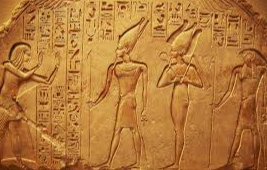
Egyptian – In the early 13th century, there was a severe drought, during which the Nile River did not flow for 3 years, leading to intense famine. This caused extreme hardships and made the people of Egypt desperate. This drove the citizens to cannibalism out of necessity. Hunger had driven people mad, as it was not uncommon during that time for people to kidnap children to kill and roast in order to eat. Obviously, this was not a practice rooted in respect or even anger, just out of the need for sustenance.
Modern Cannibalism
Nowadays, it’s well known that cannibalism is illegal and extremely rare, usually caused by severe mental illness or war/famine. While there are countries where cannibalism is not illegal, it is still seen as a great taboo. The act of cannibalism is an extremely fascinating and controversial topic, but has many motives.