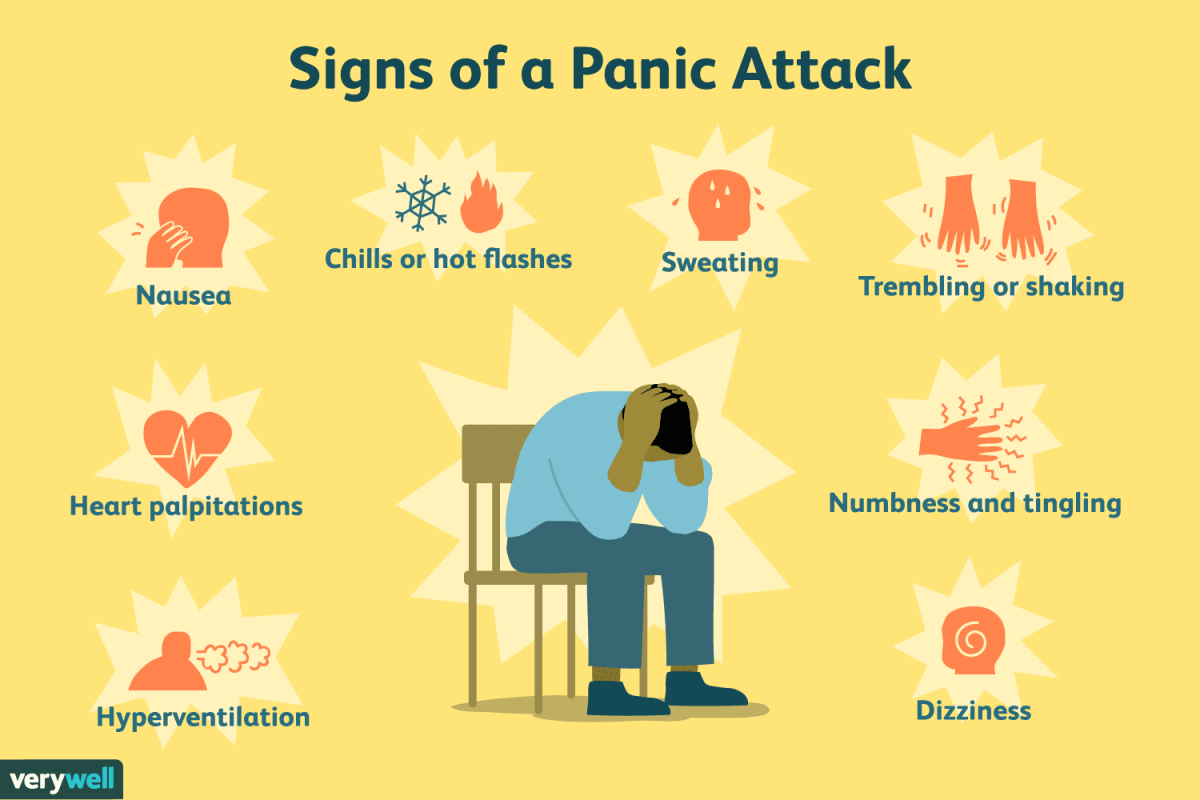


































































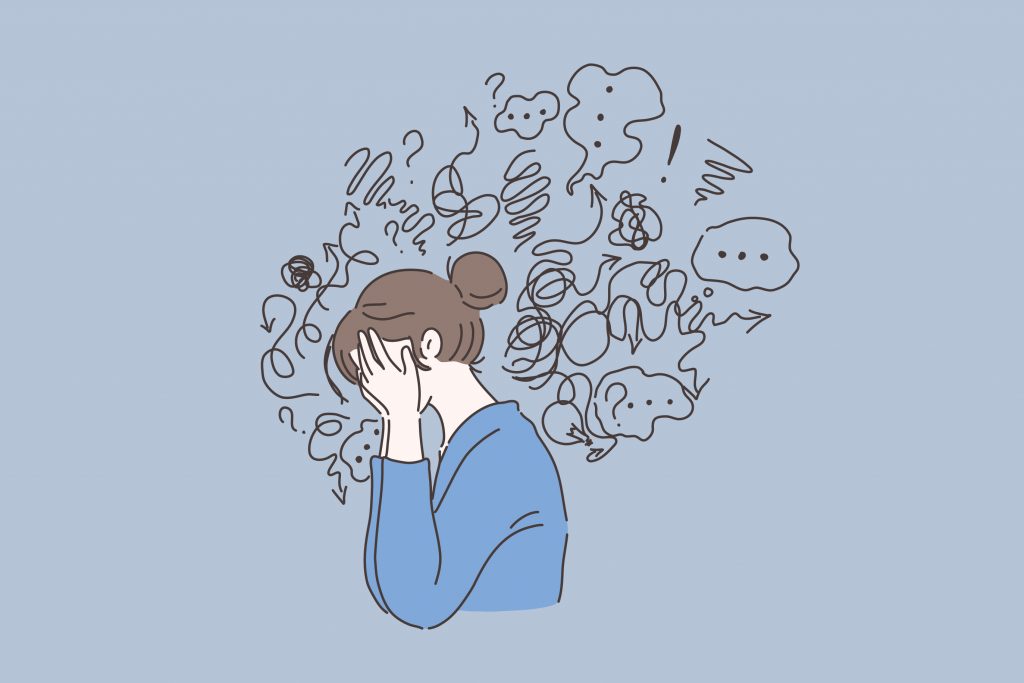











Mental health is a crucial part of everyone’s overall well-being and quality of life. It encompasses our social, psychological, and emotional well-being. Mental health is reflected in how we feel and interact with the world around us. Mental health can have a huge impact on us by causing mood swings, emotional instability, resilience to stress, adversity, and our sense of purpose and fulfillment. Ignoring mental health can lead to worsened physical and mental health, and a decline in relationships, work, and finances. Mental health doesn’t just affect those who have it, but also their friends and family around them. It is normal to feel angry, frustrated, or even sad if you live with someone who struggles with mental health.
Taking care of your mental health involves prioritizing your well-being and implementing strategies to promote emotional resilience. Having self-care practices like exercising, sleeping enough, and having a good diet. Also, having social connections like hanging out with loved ones, joining social groups or clubs, and seeking professional help if needed. Another way to take care of your mental health is by making lifestyle modifications like getting enough sunlight, setting realistic goals, avoiding unhealthy substances, and managing stress effectively. Just like physical health, seeking care early can help prevent various types of mental health conditions. Some warning signs you need to get professional help are significant changes in behavior, not wanting to get out of bed, or changes in appetite that result in significant weight gain or loss.
Breaking the mental health stigma is very important. There is a mental health stigma due to a lack of understanding and education, harmful media portrayals, and historical attitudes that view mental health conditions as a sign of weakness rather than a legitimate health issue. Break the stigma, talk openly about mental health, use respectful language, and educate yourself to build understanding. Mental health stigma refers to negative attitudes, beliefs, and behaviors towards individuals with mental health conditions. It encompasses a range of harmful stereotypes, prejudices, and discriminatory actions that can significantly impact the lives of individuals experiencing mental illness. Hundreds of thousands of deaths are caused each year because of mental health stigma. Mental health stigma can cause individuals who suffer from mental health issues to reduce asking for help because they feel judged, which can cause an increase in isolation and social withdrawal. Mental health is a crucial subject that shouldn’t be joked about. If you or someone else needs help, don’t be afraid to reach out. Places you can reach out to if needed are 988 Suicide & Crisis Lifeline, your school counselor, and if you’re a veteran, the Veteran Crisis Line. You can also text 741741 “HOME” to be connected with a crisis counselor. There are so many other sources available at your fingertips if you were ever to need them.