


























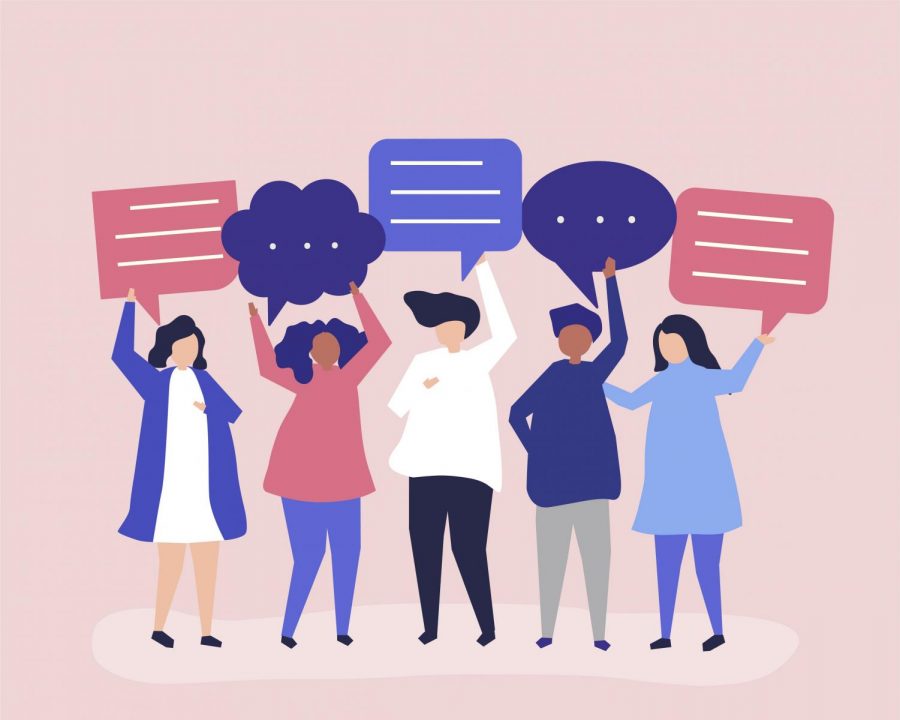




















































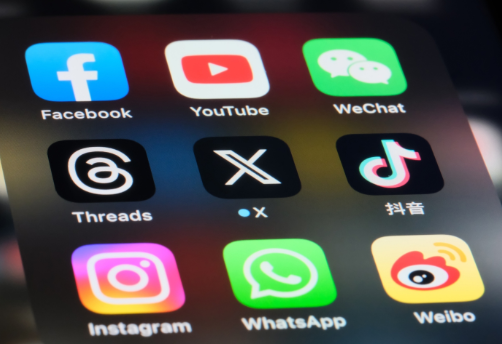
Social media is a huge part of everyday life for many teens, influencing how they spend their time, communicate, and how they see themselves. Social media apps are meant to help people connect and create; however, they can also come with pressures – like comparison to others, cyberbullying, and many other negative impacts. Exploring both the positive and negative impacts is crucial to understanding how social media is influencing this generation of teenagers.
A large consequence of a teen’s intake of social media can be a struggle with body image and self-esteem. Constantly seeing picture-perfect photos could easily shake someone’s confidence, leading to body dysmorphia. Pictures of pretty girls with thin waists on exotic vacations can cause teens to wonder why they don’t have a life like that. However, what most people don’t realize is that, even though social media can bring so much good, it is also one of the most fake things a teen could get involved in. Photo editing apps such as Facetune or Adobe can drastically change an image while still making it look realistic. As a result, teens find themselves comparing themselves to faces or bodies that aren’t even real. This can create unrealistic beauty standards that could drive teens into eating disorders or an unhealthy obsession with appearance.
Comparing yourself to others online can already make teens feel insecure, but it doesn’t always end there. In some cases, quite quiet self-doubt can quickly turn into cyberbullying– when teens aren’t just being judged by themselves, but also by others. Cyberbullying can take many forms, including harassment, impersonation, cyber flashing, spreading rumors, and direct online bullying. Nearly 50% of teens have been harassed or bullied through social media, compared to the other 20 to 30% of teens bullied in real life. Social media allows bullies to hide behind screens, leading them to feel more comfortable saying things they typically wouldn’t say to someone’s face.
Cyberbullying is just one effect of social media in teens, and it can leave a lot of emotional scars. Although when things seem fine on the surface, many teens feel they need to be constantly online, checking notifications, or scrolling. This eventually leads to addiction. However, becoming addicted to social media is not always someone’s fault. In fact, in most cases, teens who grow addicted to social media are victims. Many social media platforms follow an algorithm to keep kids constantly scrolling.
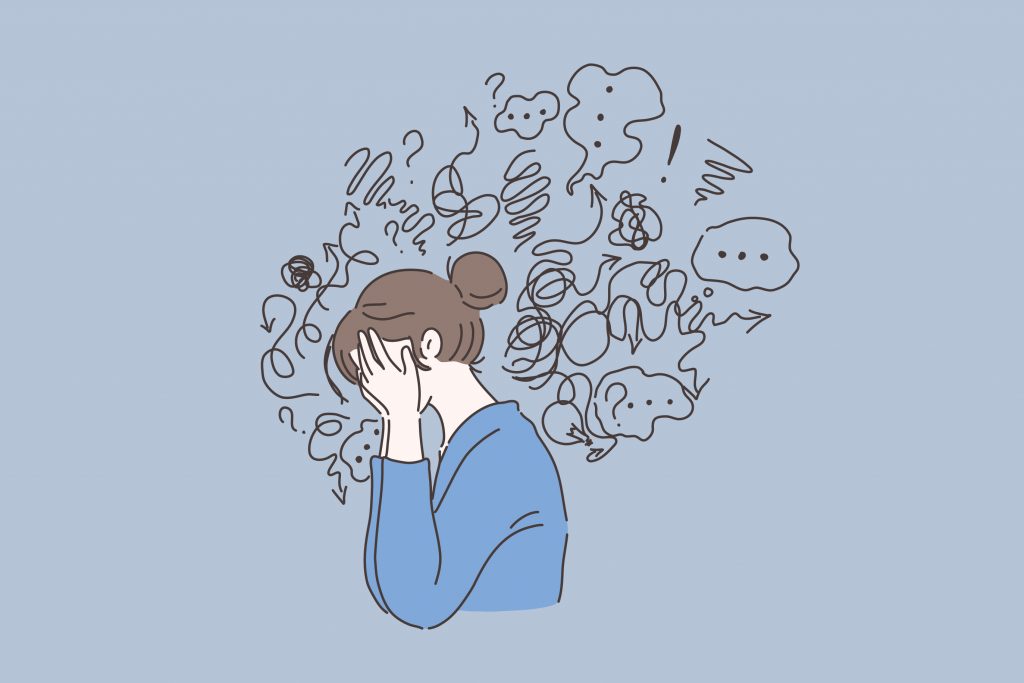
Even though addiction is a significant concern when it comes to teens using social media, it is only one aspect of a bigger problem: how social media use contributes to Mental Health issues. Teens all over America use social media, and with the increased use of social media comes the decline in mental health among many users. According to the Mayo Clinic, teens spending three or more hours a day on social media are linked to a higher risk of mental health concerns. Constantly being online can easily lead to anxiety, depression, or mood changes if social media becomes your main source of endorphins. Also, never-ending scrolling and watching millions of clips one after the other can cause trouble concentrating.
Despite all of this, there are some positive sides to social media as well. Social media can be a valuable place to learn who you are and grow your own opinions. Social media was made so people could connect with others who share their interests and values, and as a creative outlet to share with people. Although there are many negative aspects to teens using social media, there can also be good aspects.