











































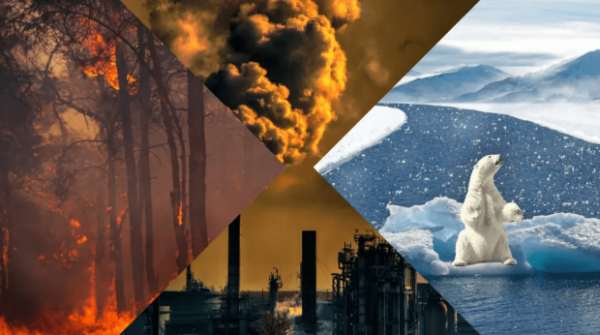
Our world is slowly burning up from fossil fuels, coal, oil, and gases, which is climate change. Climate change is when the temperatures rise from unnatural causes and sudden changes to the atmosphere. There are different causes of climate change making our world hotter, usually through human intervention. The chemicals that humanity would produce are usually through acts of mass deforestation, the burning of fossil fuels, releasing carbon dioxide and potent methane. Through these acts of burning or harvesting, greenhouse gases are released into the atmosphere. Glaciers and ecosystems throughout the world are put at risk as a result, endangering many native wildlife species due to global warming.
Glaciers
Glaciers are a large, persistent body of dense ice that forms on land for hundreds or thousands of years. This dense ice is formed from layers of snow accumulating on a sheet of ice throughout the years, packing and adding to the ice. However, since the early 1900s, many glaciers have been rapidly melting, and the root of this was, as I said before, human activities stemming from the Industrial Revolution. An article from the World Wildlife Fund, written by author Larin Hancock, highlights fuel pollution and emissions in correlation to the Arctic Ocean: “Scientists project that if emissions continue to rise unchecked, the Arctic could be ice-free in summer as soon as the year 2040.” Since the fuels have been polluting, about 95% of the oldest and thickest sea ice in Antarctica is already gone. “Scientists project that if emissions continue to rise unchecked, the Arctic could be ice-free in summer as soon as the year 2040.” (Hancock, World Wildlife Fund.) On the other hand, Greenland and Antarctic ice sheets are the largest contributors to global sea level rise. Melting at alarming rates, Hancock states in the World Wildlife Fund that, “As of now, the Greenland ice sheets are disappearing up to four times faster than in 2003 and are already contributing to 20% of the current sea level rise.” If the Greenland ice sheets continue to melt, the percentage is expected to double by the end of the century. With the glaciers already melting, the glaciers would contribute to the rising sea levels, causing coastal erosion that could lead to elevated storms with a bunch of frequent and intense coastal storms like hurricanes and typhoons. These natural disasters, alongside glaciers melting, would cause all the global sea levels to rise by 20ft. Despite this, melting glaciers and sea levels are only part of the story. The same greenhouse gases that are driving the ice to melt and raising the sea-level are also directly affecting the ecosystem of the animals.
Animal Habitats
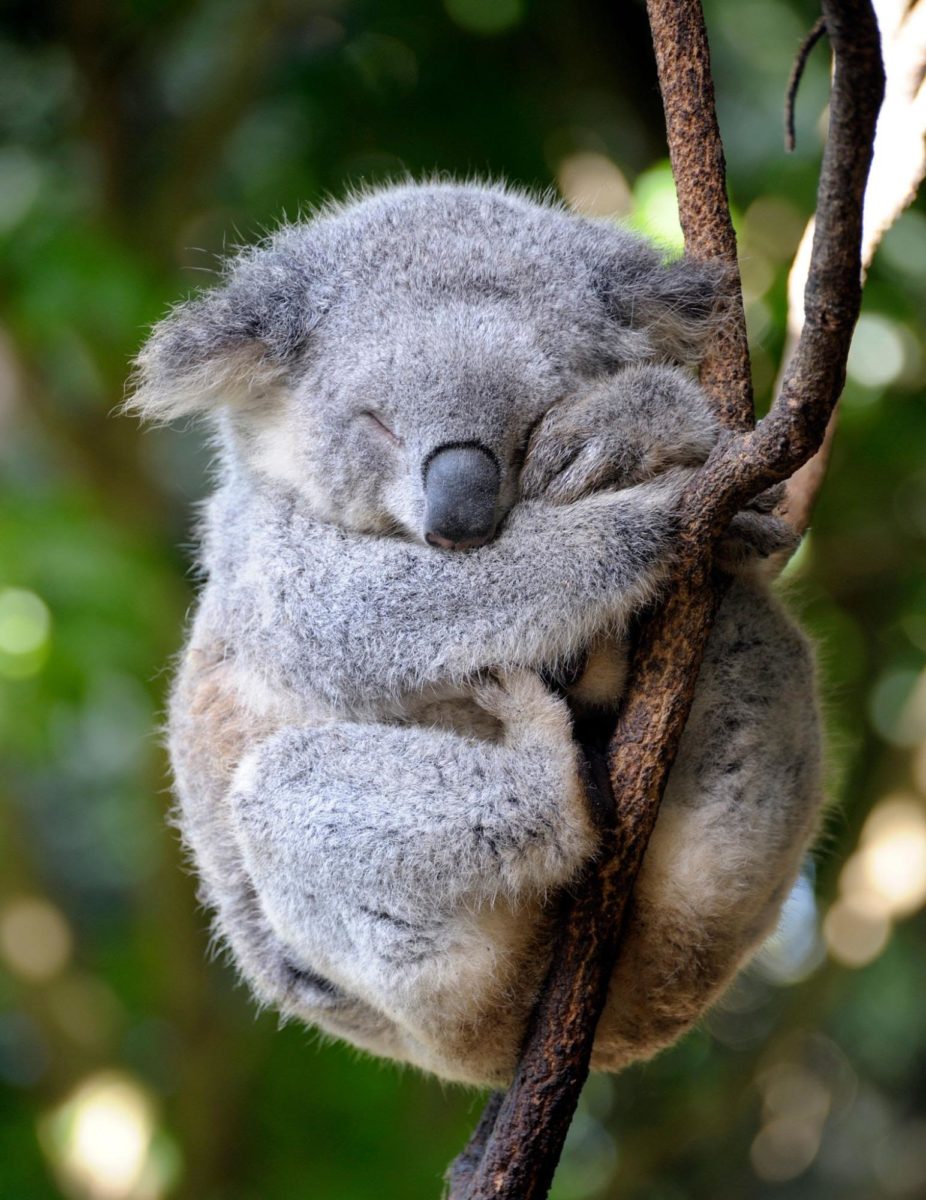
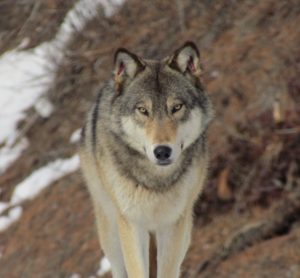
As Climate Change affects the habitats of all the animals, their homes are getting destroyed by all of the gases and changes the world is going through. Melting glaciers and sea ice are being driven by climate change, and it’s destroying critical habitats for Arctic species and mammals. This is forcing animals like polar bears, seals, walruses, hawks, eagles, lizards, snakes, tortoises, crocodiles, and many more to face struggles such as a lack of available food, being susceptible and at risk of starvation, or forced migration. And as the temperature keeps increasing, this can both cause and trigger the collapse of fragile ecosystems and result in huge waves of extinction. The world’s most vulnerable species, including those already threatened by climate change. Those animals are Vaquita (only 10 left), Amur leopard (80-100 left), Javan rhino (70 left), North Atlantic right whale (370 left), and far more. One of the biggest risks climate change poses to wildlife is habitat loss. As for why I’m saying this, it’s because of all the rising temperatures. Temperature changes can affect wildlife through the forms of droughts or floods, affecting their food with too much or too little water. Without plants for animals or insects to eat, they’re more at risk for starvation or heat exhaustion. Moreover, this also really impacts the sea animals. When the air is filled with gases like carbon dioxide, it can linger around, causing a lot of excess warmth. A big part of that extra warmth finds its way into the ocean, and as waters get warmer, storms grow fiercer, corals turn pale, and life underwater shifts. The sea changes color when it pulls carbon dioxide out of the air. That change makes animals like mussels and reef creatures struggle to survive. Also, as I previously stated, the threat of extinction remains an urgent and growing concern. Wild animals are threatened with extinction due to multiple issues of poaching and the illegal wildlife trade, alongside the risk of climate change. Some species are hunted for their fur, their teeth and tusks, or other animal body parts. Others are simply captured and sold as pets or for their parts. When a large number of species are taken from a population, it is often impossible for the population to make a full recovery, and the species can not sustain its current population and reproduce effectively. Our planet’s future depends on the actions we take.
Climate change is one of the greatest challenges our world has ever faced. Its effects are already apparent through rising temperatures, extreme weather, and loss of biodiversity. It makes it worse that factors such as hunting and habitat loss have been starting to bring animals to the brink of extinction. We must take urgent action to reduce emissions, protect ecosystems, and build a sustainable future for generations to come.