

















































Before we know it, climate change will severely alter the environment, bringing extreme weather, rising sea levels, and biodiversity loss. Oppressive heat, species extinction. This is what our earth holds, without any major changes. While our earth has already been struggling with insane wildfires, and lots of loss of trees. We need to stop this from continuing into something worse.
Global Warming– Global warming refers to the rise in global temperatures due mainly to the rise in global temperatures due mainly to the increasing concentrations of greenhouse gases in the atmosphere. Widely affecting things beyond the Earth’s climate system. According to NASA(.gov) The normal daily rise in global temperatures is widely driven by human activities, like fossil fuel (coal, oil, and natural gas) burning, since industrial practices release greenhouse gases. These gases absorb some of the heat that the Earth radiates after it warms from sunlight, warming the lower atmosphere.
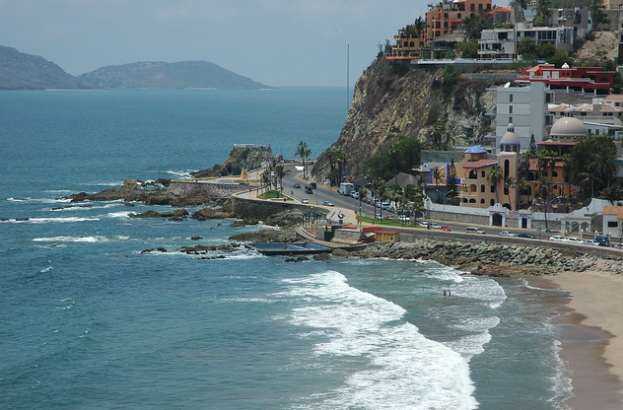
The future of global warming involves continued temperature rise, leading to more extreme heat waves and rising sea levels. Disrupted water cycles (droughts/floods) and increased extreme weather with impacts worsening significantly if high emissions continue, affecting billions with extreme heat, causing major economic damage unless strong emissions cuts are made.
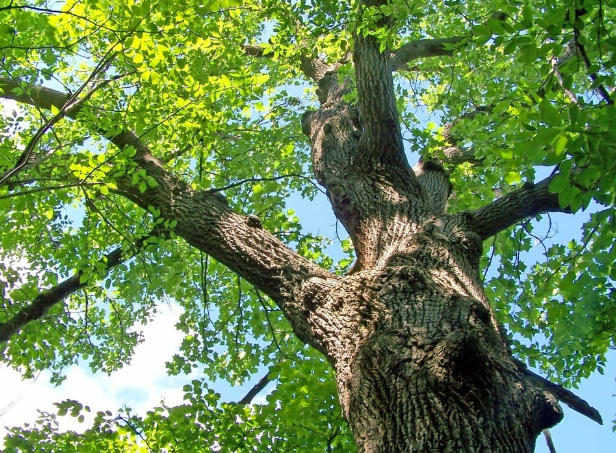
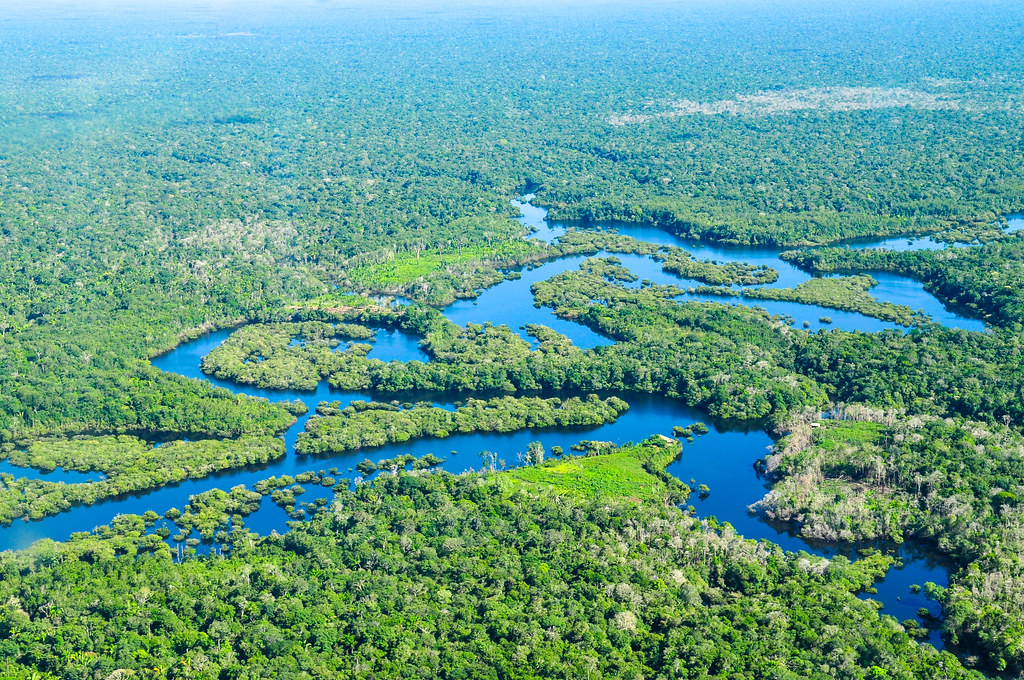
Deforestation- According to Paul Arnold, Phys.org, deforestation is having a more devastating effect on the Amazon rainforest than earlier data suggested. While people are cutting down large swaths of trees, destroying habitats, it also harms the region’s ability to generate its own rainfall. As we continue to contribute to deforestation, the Amazon could reach a tipping point and experience major forest dieback.
It is known that the Amazon is getting drier by the year, and people have yet to discover whether human-driven deforestation was the main cause, rather than general climate change. The Northern Amazon usually sees increased rainfall, while the Southern Amazon, where most logging occurs, is experiencing an annual decline of 8% to 11% a year in participation. According to study authors, between 52% and 22% of this drying is directly linked to deforestation. They say their findings prove that the loss of trees is a major cause of declining rainfall. It is important that we keep the trees alive and well to increase our air quality and have healthy lungs. Even though it might not seem like a big deal, it is. It’s our way to breathe, so we should treat the trees as if our lungs depend on them.
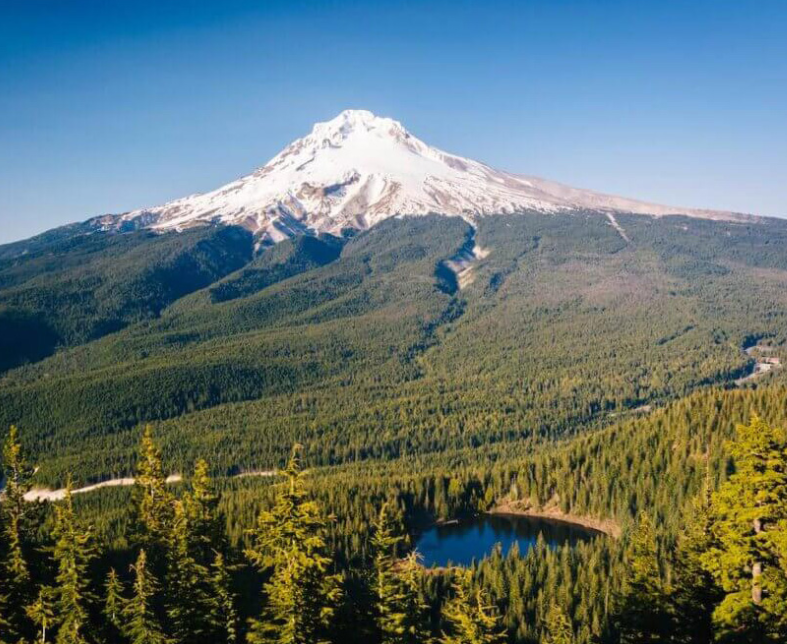
Icebergs melting- Worldwildlife.org Glaciers and ice sheets form as snow piles up on land and compresses down into a thick block of ice. About 2/3 of all freshwater on Earth is frozen. The water is trapped in glaciers that cover mountains and wind through valleys, and in the massive ice sheets that blanket Greenland and America. But as the climate warms, much of that ice is melting and raising sea levels around the world.
Each year, many glaciers lose ice in the summer as they melt and chunks break off the glacier into the ocean. Then in winter, when temperatures drop and new snow accumulates, glaciers can build back up again. But the warming climate is now causing many glaciers and ice sheets melt faster than they regrow, so they are shrinking over time dramatically. When glaciers and ice sheets melt, water that was previously stored on land rushes into the ocean. This causes the seat to rise, much like turning on the top raises the water level in a bathtub.
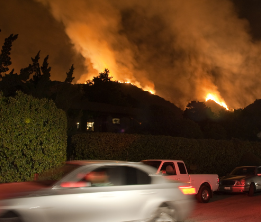
Wildfires- Nearly 77,4850 wildfires burned throughout the world in 2025. While most of the wildfires usually occur from May to november but can occur at any time of the year. August is the peak fire season when it’s the hottest and driest. While drought and hot, dry weather events are becoming more common. The more pollutants are released into the atmosphere, the more our climate is affected negatively. So when there are many wildfires, which release large amounts of carbon dioxide, black carbon, brown carbon, and ozone precursors, these emissions affect radiation, clouds, and climate on regional and even global scales.
As we know, climate change is projected to worsen over the coming decades with a 70% chance that the average temperature for 2026-2029 will exceed 1.5 c or 34.7 f above pre-industrial levels. As we live on cause these things on our earth, we can help the worsening climate change by transitioning to renewable energy, enhancing energy efficiency in homes, adopting sustainable transportation, reducing waste, and shifting toward plant-based diets. Maybe take on the same community jobs, where you can participate in reforestation, or support policies that invest in renewable energy and sustainable infrastructure. These actions not only would reduce greenhouse gas emissions but could also lead to long-term financial savings and improved personal health. Your actions matter.