








































































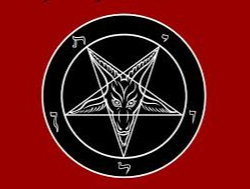

In the media, Satanists are portrayed as psychotic cult members worshipping the Devil and sacrificing children to their deity to bring evil into the world. But is that realistic? The media loves to exaggerate and fabricate inaccurate ideas, so how much of it can we trust? How do we know it’s really true?
There are two main branches of Satanism: Atheistic Satanism and Theistic Satanism. Atheistic Satanists do not believe in Satan, but follow their interpretation of his morals, while Theistic Satanists do believe in Satan, as well as his teachings. In 2013, an organization known as The Satanic Temple (TST) was founded. While it is technically a religion, TST tends to follow ideologies that feel less like a religion and more like an advocacy group.
TST is often confused with The Church of Satan, but the key difference is that The Satanic Temple is an atheistic religion, while The Church of Satan is a theistic religion.
TST members follow seven beliefs, or guidelines known as The Seven Fundamental Tenets. The tenets are:
- One should strive to act with compassion and empathy toward all creatures in accordance with reason.
- The struggle for justice is an ongoing and necessary pursuit that should prevail over laws and institutions.
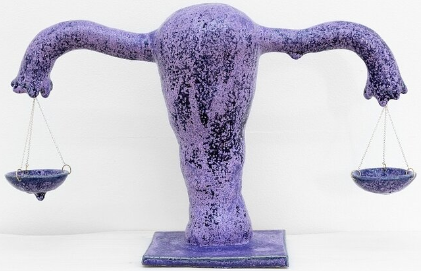
- One’s body is inviolable, subject to one’s own will alone
- The freedoms of others should be respected, including the freedom to offend. To willfully and unjustly encroach upon the freedoms of another is to forgo one’s own
- Beliefs should conform to one’s best scientific understanding of the world. One should take care never to distort scientific facts to fit one’s beliefs.
- People fallible. If one makes a mistake, one should do one’s best to rectify it and resolve any harm that might have been caused.
- Every tenet is a guiding principle designed to inspire nobility in action and thought. The spirit of compassion, wisdom, and justice should always prevail over the written or spoken word.
Doesn’t sound very sinister to me. Quite the opposite, actually. Overall, anti-theistic Satanists claim to be advocates for equality rather than oppressors.
TST uses Satan as a symbol of rebellion against corrupt traditions, individualism, freedom, countering authoritarianism, refusal to submit, and challenging what is considered “normal”. The idea was to “Reverse the Narrative” or take back the metaphor of Satan refusing God. Viewing the story as an oppressed figure speaking his mind. Essentially rewriting the metaphor to scare others.
I would elaborate more about The Church of Satan, but due to it being an older and rarely practiced religion, there isn’t much information about it.
Stereotypes about sacrificing children and performing rituals with blood obviously aren’t true, so where did these farfetched come from? The answer is history. Events such as the Salem Witch Trials or the 1980s “Satanic Panic” inspired stories about wicked cultists and devil worship. Both of these events faulted the victims of the discrimination. The exact thing Modern Satanists fight against.
There have been some rare cases of crimes claiming to have been influenced by Satanism; there has never been any recorded evidence that linked said crimes to a “Satanic Cult”, but rather the result of mental illness instead.
What people are actually thinking of when activities like sacrifice and dark rituals come up is the Order of Nine Angels, not Satanism. The O9A is a pro-Nazi cult that promotes extreme violence, sexual assault, and yes, human sacrifice. While I recognize that everyone is entitled to their own beliefs, I hope we can agree as people that these kinds of ideas are cruel, inhumane, and never okay. People do not deserve to be looked down on and tortured simply for existing as themselves.
All in all, Satanism isn’t inherently bad. Every religion has good and bad sides. What matters is the fact that we acknowledge that everyone is allowed their own opinions and beliefs. The main issue is how some people can be extremely close-minded. Oftentimes, people won’t believe something they do not want to believe, and claim to know a lot about something when in reality they do not. It’s alright to make these kinds of mistakes—we’re human after all—but we must learn from them and work to understand better. People don’t easily change their minds, but that doesn’t mean we can’t try to learn and empathize with each other.