










































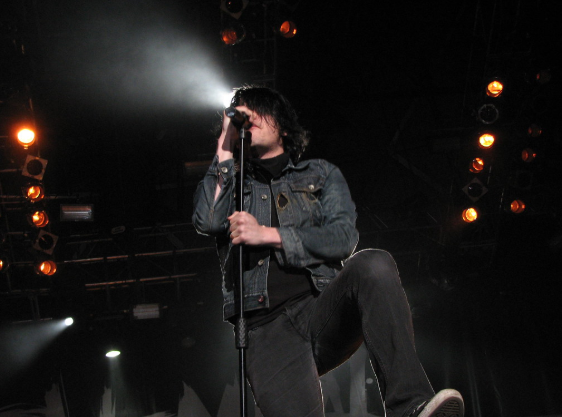
In our modern era, there is no rock band more impactful than My Chemical Romance. Though their stereotypically cringe tone may put most off, the New Jersey-based group serves as the cornerstone of the “emo-boom” of the early 2000’s. Sitting alongside top bands like Fall Out Boy, Panic! At The Disco, and Paramore, they have an unmatched impact on alternative culture that no other musicians have dared to reach. With hits such as “Teenagers”, “I’m Not Okay (I Promise)”, and “Welcome To The Black Parade” being certified platinum by the Recording Industry Association of America (RIAA), the band has affected millions. Their play on pop-punk wasn’t a strategic marketing jaunt to stand out– it was passionate, raw, and emotional, which has proven their journey as musicians altogether. Modern rock truly wouldn’t be the same without My Chemical Romance.
Gerard Way, a struggling animator, tragically witnessed the attacks on the World Trade Center on September 11, 2001. Several months later, this event led to the formation of the band, consisting of vocalist Gerard Way and drummer Matt Pelissier. Later on, lead guitarist Ray Toro, rhythm guitarist Frank Iero, and bass guitarist Mikey Way joined the group. The band’s initial inspiration drew from classic rock, goth, and punk bands in the 80s and 90s, such as Van Halen, The Cure, The Smashing Pumpkins, and Siouxsie and the Banshees. That same punk-rock fusion bled into the sounds of their 2002 debut album, I Brought You My Bullets, You Brought Me Your Love. The album combined the sounds of second-wave emo with post-hardcore melodies while also employing deep, heavy lyricism. Notably, the seventh track on the album, “Skylines and Turnstiles”, showcases the aftermath of September 11 on society. Their debut album was pushed under the radar, but became an instant classic soon after they came to fame.
On June 8, 2004, My Chemical Romance released their second album, Three Cheers for Sweet Revenge. This album was revolutionary for the genre, pushing into the third-wave emo by mixing the grittiness of their previous record with pop-punk and pop-rock influences. With singles such as “Helena”, “I’m Not Okay (I Promise)”, and “The Ghost of You” slipping into the mainstream, “My Chemical Romance” gained immense traction. Three Cheers for Sweet Revenge reflects themes such as grief, love, and gender identity, expressing thoughts of dressing up in drag and homosexuality. Gerard and Iero have openly voiced their admiration and support for the LGBTQ+ community, with both members challenging gender norms on and off stage. Three Cheers for Sweet Revenge was revolutionary to the third-wave emo scene, and the record was certified platinum by the RIAA less than a year after its release.
My Chemical Romance released The Black Parade on October 23, 2006. Standing as one of their most recognizable albums, no words can describe the influence it had on the genre – it was punk, it was pop, it was everything in between. The Black Parade is a concept album following the tragedy of “The Patient”, a man suffering from terminal cancer. Each song represents one step closer to death as he approaches the end of his life. Various songs describe topics of death, suicide, and depression. Despite the underlying theme, “Welcome to the Black Parade” and “Teenagers” bled into radio stations, blending pop and alternative rock to make it more digestible to a mainstream audience. The record brought worldwide attention to the band, leading to headlining tours and festivals all around the globe. A staple of alternative culture, The Black Parade was revolutionary – not only for the band, but for listeners who felt underrepresented and unrecognized in music. My Chemical Romance was never afraid to get into the hardships of mental health. They were raw, gritty, and emotional, which resonated with millions.
Unfortunately, being the forefront of the emo genre came with controversy. Similar to the satanic panic of the 1980s, the band was frequently demonized in various news outlets, depicting them as a “satanic, self-harm cult”. Notably, a British news publication, The Daily Mail, released several inflammatory articles throughout the band’s lifetime. In a now-deleted article, “Why no child is safe from the sinister cult of emo” makes the drastic connection between the suicide of a 13-year-old British schoolgirl, Hannah Bond, and her obsession with the aforementioned band. This controversial claim led to various protests and walkouts outside the offices of the tabloid. The Daily Mail’s article preyed on parents’ fears despite there being no proven link between My Chemical Romance and her passing. The moral panic over alternative subcultures is another link in the misrepresentation of mental health in children, creating more harm than good.
Amidst the controversy, the band started to shift gears during the fourth-wave emo scene. On November 22, 2010, My Chemical Romance released Danger Days: The True Lives of the Fabulous Killjoys. Instead of the previous emo and pop-punk influences the band had implemented throughout their first three albums, they integrated contemporary rock, power pop, and psychedelic rock into the record. Danger Days received generally favorable reviews, with songs such as “Na Na Na (Na Na Na Na Na Na Na Na Na Na Na)” and “Planetary (Go!)” being drilled into the minds of listeners with their catchy melodies. The band’s gradual shift from the emo genre was a notable event in the fourth-wave scene. Alongside bands like Paramore and Panic! At The Disco, My Chemical Romance furthered the distance between the emo label as a means to experiment and have fun with their sound.
All good things must come to an end, and that was no different with My Chemical Romance. Fans began to see the beginning of the end for the band shortly after the release of Danger Days. On February 5, 2013, the band released Conventional Weapons, a compilation of several singles recorded between 2009 and 2012. The record was initially planned as the band’s next album, but was scrapped later on due to a loss of passion for the project. Conventional Weapons consists of ten demos from the previous stage of the album, varying in different genres, ideas, and themes. Only a month later, on March 22, 2013, My Chemical Romance broke up. The band cited artistic differences, pressure from the music industry, and a lack of enjoyment from creating music. A year later, they released their final album, May Death Never Stop You, composed of the band’s greatest hits. For many listeners, this news was devastating. For a band so raw and edgy as My Chemical Romance, it was just as comforting and relatable to millions, serving as a voice for troubled people around the world.
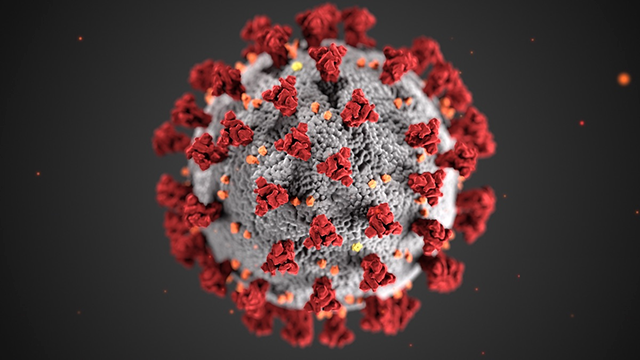
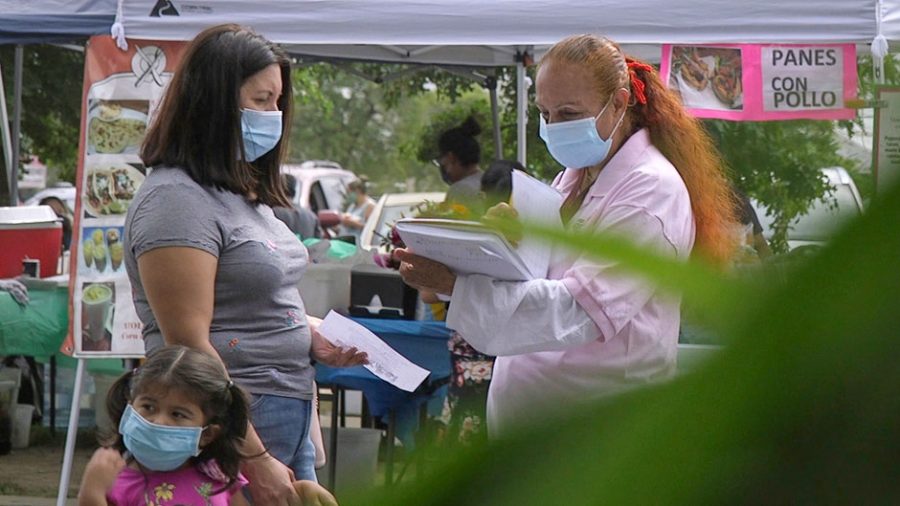
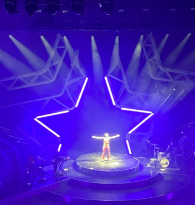
Fortunately, My Chemical Romance officially announced their reunion in 2019, six years after their initial hiatus. Their first concert back together, as well as the following reunion tour, sold out almost immediately. A year later, My Chemical Romance had planned shows across the globe, but most were unfortunately rescheduled to 2021 due to the COVID-19 pandemic. The following year, the band released their first single in over eight years, “The Foundations of Decay”, teasing future releases and tours for the future. In 2024, the band headlined the popular punk festival When We Were Young, performing the entirety of The Black Parade. Later that year, the band announced the Long Live The Black Parade Tour, which is set to end in November 2026.