






























































Phoebe Bridgers is one of the most influential modern artists of this generation because of how openly she expresses emotions that many people are afraid to say out loud. Through her soft sound, haunting melodies, and deeply personal lyrics, Bridgers has created music that makes listeners, especially young people, feel seen and understood while navigating mental health, loneliness, and identity. Rather than masking pain with upbeat pop production, her music leans into vulnerability, making it deeply relatable.
Phoebe began her music career in Los Angeles and released her debut album, Stranger In The Alps, in 2017. The album quickly gained attention for its stripped-down production and emotional honesty. Songs such as ¨Motion Sickness¨ confront the pain of toxic relationships, directly addressing betrayal and emotional manipulation. Instead of sugarcoating heartbreak, Bridgers expresses anger and hurt in a way that feels raw and authentic. Another track ¨Funeral¨ explores depression and guilt as Bridgers reflects on attending a funeral while privately struggling with her own mental health. The song captures emotional numbness and self-blame, themes that many listeners find painfully relatable.
One reason Phoebe stands out as an artist is her realistic portrayal of mental health. Her music does not romanticize sadness or portray suffering as beautiful. Instead, it shows depression and anxiety as confusing, exhausting, and isolating experiences. In the song ¨Chinese Satellite,¨ Phoebe reflects on feeling disconnected and searching for meaning, even when belief or certainty feels impossible.
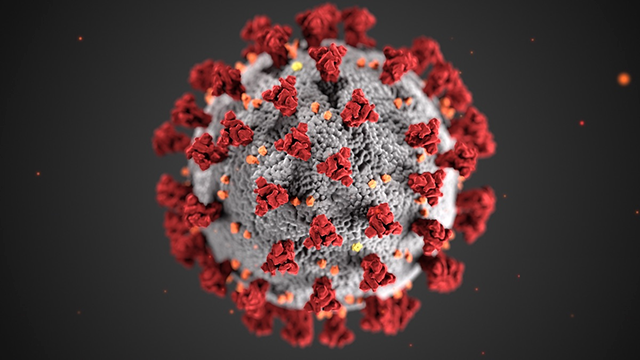
Bridgers’ second album, Punisher, released in 2020, expanded her influence and showcased her growth as a songwriter. The album explores themes such as fame, isolation, and fear of the future, and complicated family relationships. ¨Kyoto,¨ despite its upbeat and energetic sound, addresses emotional distance and unresolved issues with her father, demonstrating Phoebe’s ability to contrast lively production with heavy subject matter. The closing track ¨I Know The End¨ reflects anxiety about the state of the world and uncertainty about what lies ahead. Released during the COVID-19 pandemic, the song’s gradual emotional buildup mirrored the fear and overwhelm many young people were experiencing at the time.
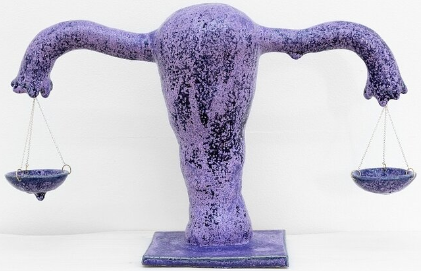
Beyond her music, Phoebe represents the evolving role of modern artists as voices for both emotional and social awareness. She has used her platform to speak out on political and social issues, including women’s rights, and consistently supports causes she believes in. Songs like ¨Graceland Too¨ emphasize themes of friendship, healing, and survival, highlighting the importance of community and support systems, particularly for women navigating mental health challenges.
Phoebe Bridgers is an important modern-day artist because she represents honesty, vulnerability, and emotional truth. Her music connects deeply with listeners who feel overwhelmed, isolated, or misunderstood. By turning personal struggles into meaningful art, Phoebe reminds her audience that they are not alone, solidifying her place as a powerful and influential voice of this generation.